
Common Braces Problems

April 25th, 2018

It’s useful to know some of the common problems that can arise when you get braces. Even if you take great care of your braces and teeth, you might not be able to avoid certain issues or side effects that accompany braces. But don’t worry: These are all common problems that can be taken care of by following some simple advice.

If you just had your braces put on, you may notice some general soreness in your mouth. Your teeth are starting to adjust to having to shift, so they may ache, and your jaw might feel tender at first. This will subside once your mouth becomes used to the new appliance in residence.

You may experience soreness on your tongue or mouth, which may be a sign of a canker sore. Canker sores are common when braces rub against your mouth. You can use ointments to relieve pain and numb the area that’s been irritated. Canker sores are commonly caused by broken wires or loose bands on your braces.

Common Issues

  • Loose brackets: Apply a small amount of orthodontic wax to the bracket. You might also apply a little between the braces and the soft tissue of your mouth.
  • Loose bands: These must be secured in place by Dr. Lowder. Try to save the band for repair.
  • Protruding or broken wires: Use the eraser end of a pencil to push the wire carefully to a less painful spot. If you are unable to move it, apply orthodontic wax to the tip. If a mouth sore develops, clean your mouth with warm salt water or antiseptic rinse.
  • Loose spacers: These will need to be repositioned by Dr. Lowder and possibly replaced.

Avoiding Issues

You should avoid certain foods that could cause major damage to your braces. No matter what you eat, make the effort to cut your food into small pieces that can be chewed easily. This will prevent chunks of it from getting lodged between brackets.

Avoiding hard and chewy foods is also wise. Some foods can break your hardware: for example, popcorn, nuts, apples, gum, taffy, and hard candies. Avoiding any foods that easily got stuck in your teeth when you didn’t have braces is a good rule to follow.

The appliances in your mouth are bound to attract food particles and make it easier for plaque to build up. By making sure you brush and floss carefully every day, you can prevent stains and cavities from developing over time. Dr. Lowder and our team recommend brushing and making sure that food isn’t lodged between your braces after every meal.

Having braces can be very exciting, but it can also be challenging at first. Watching for these common issues during your first few weeks can prevent problems down the road. If you experience a lot of pain from your braces, contact our Idaho Falls, Rigby, Rexburg, Afton, and Salmon office and we can try to resolve any issues.

Braces can sometimes be a pain, but they’re well worth it once your new smile gets revealed!

Earth Day

April 18th, 2018

The idea for Earth Day was the brainchild of Gaylord Nelson, a senator from Wisconsin. He envisioned an Earth Day that would be a kind of environmental teach-in. The first Earth Day celebration took place on April 22, 1970, and a surprising 20 million people participated on that day. Ultimately, it became the largest organized celebration in US history.

Earth Day Over the Years

Over the years, the recognition of the day, and the number of people celebrating it all over the world, turned Earth Day into an international celebration. Because it is celebrated throughout the world, it is not only the largest international environmental observation, but it is also more widely celebrated than any other environmental event in the world. Today, Earth Day is celebrated in 175 countries where over 500 million people participate in celebrations.

The Earth Day Movement

The Earth Day movement is credited with developing the idea that people should “think green”. It encouraged congress to enact laws, including one that resulted in the creation of the Environmental Protection Agency. It also inspired the passage of the Endangered Species Act.

The Five R's and Their Importance

  • Reduce – Reduce by avoiding unnecessary purchases. Reduce your use of materials that wind up in landfills. Reduce the use of chemicals around your house. Reduce your use of disposable bags, plates, cups, eating utensils, and batteries.
  • Reuse – Instead of using plastic bags for your groceries or purchases, bring your own reusable bags. When you go to buy coffee at Starbucks, take a travel mug so you don't have to get your coffee in a disposable paper cup. Instead of storing food in disposable refrigerator containers, buy containers that can be washed and reused. Don't use regular batteries. Whenever possible, opt for rechargeable batteries that you can reuse.
  • Recycle – Most cities offer a recycling program to collect used bottles, cans, and newspapers. Recycling includes collecting recyclable materials that would otherwise be considered waste, sorting and processing recyclables into raw materials such as fibers and manufacturing raw materials into new products.
  • Re-buy – Make an effort to purchase things that are made through recycling. When purchasing furniture, look for items that are made from reclaimed wood. When buying paper for kids school work, computer printer paper, holiday cards, or anything else, make a point of purchasing recycled paper products. Instead of buying clothing at full retail price, shop for second hand clothing. You will save a lot of money by doing so!
  • Rethink – Rethink the way you do things so that you do them in an eco-conscious way at all times. Instead of driving to work alone, consider taking the bus or going in a carpool. Walk or ride your bike when you're only going a short distance. Plan your shopping trips and errand runs so that you can do everything on one day, and do it in a way where you can save time and gas.

Other ways to "think green" include growing your own food, composting yard waste and food scraps, or by participating in local recycling programs. Join a group like Freecycle so you can share your unneeded and unwanted possessions with people who can use them. Likewise, you'll be able to get things you need or want for free.

Earth Day teaches people that the planet belongs to everyone, so everyone is equally responsible for protecting it. Although Earth Day is an environmental celebration, our team at Lowder Orthodontics wants to remind you that you don't have to wait until then to make changes that will allow you and your family to live a greener life.

Happy Earth Day from the team at Lowder Orthodontics.

I have halitosis. What can I do?

April 11th, 2018

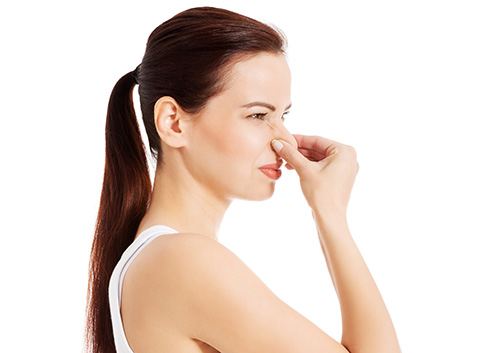
Halitosis is the fancy, scientific word for “bad breath.” Dr. Lowder and our team know there are several reasons why you may have halitosis; let’s look at a few:

  • Gum disease (also known as periodontal disease) – There are five main types of gum disease, and each one can range from mild to severe. For example the most common one is gingivitis; it is caused by bacteria in the plaque that has been allowed to build up, usually as a result of poor oral hygiene. A more serious and uncommon type of gum disease is called necrotizing periodontal disease. It is most common in people who have a suppressed immune system.
  • Smoking
  • Dry Mouth – This can be caused by something as simple as a medication you take.
  • Food – Of course, if you eat something that is potent like garlic, it is going to give you bad breath.
  • Diseases of the Body – Some diseases such as sinus infections and diabetes, among a few other types of infections, can also cause you to have halitosis.

How to Get Rid of Halitosis

The most obvious answer to how to get rid of halitosis is to practice good oral hygiene, although, depending on the cause of halitosis it may not be that simple. If you have an infection that is causing the halitosis then you may need an antibiotic to clear up the infection and then the bad breath will go away. Here are more tips:

  • Brush your teeth after every meal and before bed.
  • Floss your teeth. The more plaque you get out of your teeth, the better chance you have of not getting cavities or bad breath.
  • Address any medical conditions that are not related to your teeth that can be causing the halitosis.
  • Ask Dr. Lowder for a prescription mouthwash that kills bacteria.

Halitosis (bad breath) can be an embarrassing condition to live with, but there are plenty of ways to get rid of it permanently. Start by talking to a member of our team at our Idaho Falls, Rigby, Rexburg, Afton, and Salmon office.

April is National Facial Protection Month

April 4th, 2018

The Importance of Facial Protection

Americans from all walks of life should mark April as National Facial Protection Month on their calendars. The American Association of Pediatric Dentistry, Academy for Sports Dentistry, American Academy of Pediatric Dentistry, and American Association of Oral and Maxillofacial Surgeons have combined forces to sponsor this annual campaign, which aims to educate and remind us of the importance of protecting our face and teeth against impacts and injuries.

Wearing a helmet can save your life and prevent devastating physical damage in a variety of situations, from playing football to riding a bicycle. According to the American Association of Oral and Maxillofacial Surgeons, helmets reduce the risk of various head injuries by as much as 85 percent. Whether helmet laws apply in your area or not, Dr. Lowder and our team at Lowder Orthodontics want you to make sure you and your loved ones wear helmets with the appropriate safety ratings for specific activities. (A sticker on or inside the helmet will usually indicate this rating.) Helmets can also help save your teeth if they come with an attached faceguard, an essential addition for football players and others involved in contact sports.

Preventing Dental Injuries

A mouthguard can protect you against a variety of dental injuries, such as cracked, broken, or knocked-out teeth. The American Dental Association states that mouthguards play an essential role in preventing up to 200,000 dental injuries each year, and many states mandate their use for sports activities such as football and hockey. The Academy for Sports Dentistry warns, however, that these mouthguards must be custom-fitted as precisely as possible to prove effective. Have a professional-quality mouthguard molded and fitted by our team at Lowder Orthodontics for better protection than a generic store-bought or “boil-and-bite” variety can offer. These cheaper versions tend to wear out quickly, interfere with proper breathing, and provide uneven degrees of cushion against impacts. Always have a fresh mouthguard fitted for each new sports season.

Choose the right combination of helmet, faceguard, and mouthguard to protect your teeth and face this April, and tell your friends to do the same! To learn more about mouthguards, or to schedule an appointment with Dr. Lowder, please give us a call at our convenient Idaho Falls, Rigby, Rexburg, Afton, and Salmon office!

“Dr. Lowder and his staff are professional, honest, trustworthy, hard working, friendly, dedicated, and genuinely care about the well being of their patients. My teeth and bite have never looked better in my life and I am indebted to Lowder Orthodontics for the incredible service they have given me.”

~ M. Jiménez

“Before I decided this was the office for my orthodontic work, I had three consultations. I have never been at ease when it comes to work on my teeth. I know I chose the right orthodontist and staff for me. Thank you so much for everything these past couple years. You all have been amazing!”

~ Jeannie A.

“Getting braces was not something I looked forward to doing. I’m so glad I came to Lowder Orthodontics! The entire staff made me feel good every visit. Best experience that I could have while fixing my teeth!! Thanks for the fun times!”

~ Brennan R.
Back to Top
Pixel