
Permanent or Removable Retainers: Which is right for you?

March 28th, 2018

When the time comes for Dr. Lowder to remove your braces, it is very exciting. Unfortunately, it can be somewhat confusing, too, because you are faced with choosing between two kinds of retainers. Should you go with permanent, removable, or a combination of the two? It is always wise to follow Lowder Orthodontics recommendations, but knowing more about the two types of retainer beforehand can be helpful.

Removable Retainers

Removable retainers offer the advantage of easy use: you will generally put a removable retainer in at night and take it out in the morning. Regardless of your retainer schedule, you'll be able to enjoy some time with no retainer. However, a removable retainer can easily be forgotten at times, and this means you won't be taking full advantage of teeth retention.

Another potential advantage of a removable retainer is that you can take it out and brush and floss your teeth with ease, which is more of a challenge with a permanent retainer. Although removable retainers can be very effective, they don't tend to be as effective as permanent retainers, especially if they are not used as directed.

Permanent Retainers

Permanent retainers are the clear choice for patients who want to “get it and forget it.” Once your permanent retainer is placed in your mouth, you won’t need to worry about daily retainer schedules, since it is permanently affixed to your teeth.

Because teeth begin to shift naturally as we age, a permanent retainer typically offers better long-term results for teeth straightening than a removable one. You can't forget to put it in — it's already there! Temporary retainers get lost or are forgotten on trips, and often fail to get used as often as they should be.

One drawback to permanent retainers is flossing. Some patients find it more difficult to floss with a permanent retainer, but we can show you effective ways to floss fairly quickly with your permanent retainer.

Some orthodontists may recommend a combination of the two; for example, a removable retainer for the top teeth and a permanent one for the lower ones because the lower teeth are smaller and tend to shift more.

Ultimately, the most important thing to remember is that wearing your retainer as directed is extremely important. As long as you follow our orthodontist’s advice, you will get the best results from your retainer, regardless of its type. If you’re still not sure whether the choice you’ve made is truly right for you, get in touch with us at our Idaho Falls, Rigby, Rexburg, Afton, and Salmon location right away!

TMD Problems and How You Can Prevent Them

March 21st, 2018

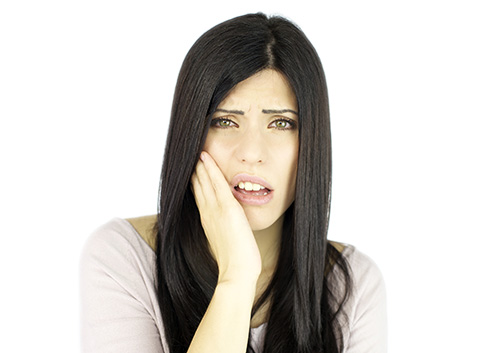
Temporomandibular joint disorders (TMD) describe a set of conditions that involve trouble with your jaw and face muscles. They result from a problem in the temporomandibular joint (TMJ), which is a hinge that connects the temporal bones, in your skull in front of each ear, to your jaw. The joint enables you to talk, yawn, and chew by letting your mouth move.

TMD can be very painful and interfere with functions such as eating and speaking. This what to watch for and how to try to prevent TMD.

Risk Factors for TMD

You are at higher risk for TMD if you are a women than if you are male. The disorder is most common among adults between the ages of 20 and 40 years. Other risk factors for TMJ disorders include the following.

  • Arthritis in the area, making movement more difficult
  • Excessive tooth grinding, because it increases stress on the joint
  • General stress, which can lead you to clench your teeth and strain facial muscles

Symptoms of TMD

Symptoms of TMD can last for just a short while, or for several years. Seeing Dr. Lowder is important if your symptoms make it impossible for you to eat regularly or if you have unbearable pain or discomfort. The following symptoms can occur on both or one side of your face.

  • Aching or very tired facial muscles
  • Jaws that are fixed open or shut without you being able to unlock them
  • Grating or popping sounds when you chew or close or open your mouth
  • Pain in the entire area, including the mouth, jaw, neck, or shoulders, that comes on when you chew or yawn

Preventing TMD

You can try to prevent TMD by focusing on reducing risk factors. If you grind your teeth at night, ask Dr. Lowder about wearing a mouthguard. If you are overly stressed, look into ways to better manage your stress and relax your muscles. Another strategy for trying to prevent the development of TMD is to avoid chewing gum, since that puts stress on your jaw.

If you have questions about TMD, don’t hesitate to contact our Idaho Falls, Rigby, Rexburg, Afton, and Salmon office.

St. Patrick's Day: Celtic pride, green shamrocks, and lucky charms!

March 14th, 2018

“St. Patrick's Day is an enchanted time -- a day to begin transforming winter's dreams into summer's magic.” Adrienne Cook

Lucky green shamrocks, leprechauns, and pots of gold – it must be St. Patrick’s Day! If you’re not Irish, how do you go about celebrating St. Patrick’s Day? It’s easy: You just put on one of those tall leprechauns hats, dress in green from head to toe, and wear one of those carefree pins that say “Kiss Me, I’m Irish”. On St. Patrick’s Day, everyone is Irish, and that is the universal beauty of the holiday. Celtic pride does not discriminate.

Wondering what our team at Lowder Orthodontics is doing to celebrate March 17th? Well, we’ve thought about doing everything from handing out lucky gold coins (you know, the fake ones that are made of chocolate) to shamrock stickers. Maybe we’ll even give away green toothbrushes and floss! You’ll never know unless you come in to see Dr. Lowder !

All kidding aside, St. Patrick’s Day is an important cultural and religious holiday. There are lavish parades and church services across Ireland on March 17th. Over time, however, the holiday has developed into a day to observe Irish culture in general. In places like England and the United States, where there is a large Irish Diaspora, the holiday has greater significance than other countries. From the streets of Boston to St. Patrick’s Cathedral in New York, it is a day of celebration, and many Americans of Irish descent will cook up a traditional meal of corned beef and cabbage.

So, to all of you with Irish ancestry, and to all of you who have decided to be Irish for the day, our office wishes you a Happy St. Patrick’s Day. Good luck looking for a pot of leprechaun gold, which is said to exist at the end of the rainbow. However, keep away from those sugary Lucky Charms; sweet cereals might taste good, but your kids’ teeth might not be feeling too lucky if they eat it for breakfast every day. Have a great St. Paddy’s Day!

Tips for Handling and Avoiding Orthodontic Emergencies

March 7th, 2018

The best way to avoid orthodontic emergencies is to know how to take care of your braces properly throughout your entire treatment. However, emergencies are … well, emergencies, and sometimes no matter how cautious you are or how well you take care of your braces, the wires loosen, the bands pop, or you experience orthodontic discomfort.

Common orthodontic emergencies include broken braces, poking wires, lost or broken retainers, mouth sores, and mouth injuries sustained playing sports, which often happens when you don’t wear a mouthguard to protect your teeth and appliance.

Food

It’s important to avoid foods that can damage your braces. Most people wear braces for about two years. All chewy, sticky, crunchy, and hard foods should be avoided during that time. While this may seem like a long time to go without popcorn or bubble gum, hard foods can break the brackets of your braces and sticky foods can bend the wires. If you have a loose wire, don’t try to fix it yourself. Call Lowder Orthodontics. In the meantime, if a wire is poking into your cheek or lip and causing irritation, put wax or a wet cotton ball over it to dull the sharp edge.

Pain and Discomfort

Some discomfort is a normal part of orthodontic treatment, especially in the hours after the braces are placed on your teeth or after a recent tightening or adjustment. However, if the pain doesn’t subside in three to five days, it’s a good idea to schedule an appointment at Lowder Orthodontics. Until then, try dissolving a teaspoon of salt in an eight-ounce glass of water and gargling with the solution. Over-the-counter pain medication will relieve discomfort, too.

Playing Sports

Just because you wear braces doesn’t mean you can’t play sports. You just need to take some extra precautions. Sports-related injuries to the mouth and jaw are common. The best way to protect your mouth and your appliance is to wear a mouthguard. There are several different types of mouthguards available, so be sure to ask Dr. Lowder what’s best for you.

Brushing and Flossing

In order to keep your braces in good condition and avoid orthodontic emergencies, it’s important to brush and floss thoroughly after every meal. It’s easy for small particles of food to get trapped in your braces, and if the food isn’t removed, it gets wedged between the teeth and gums and causes plaque.

Need more tips on how to avoid orthodontic emergencies? Just ask any member of our Idaho Falls, Rigby, Rexburg, Afton, and Salmon team.

“Dr. Lowder and his staff are professional, honest, trustworthy, hard working, friendly, dedicated, and genuinely care about the well being of their patients. My teeth and bite have never looked better in my life and I am indebted to Lowder Orthodontics for the incredible service they have given me.”

~ M. Jiménez

“Before I decided this was the office for my orthodontic work, I had three consultations. I have never been at ease when it comes to work on my teeth. I know I chose the right orthodontist and staff for me. Thank you so much for everything these past couple years. You all have been amazing!”

~ Jeannie A.

“Getting braces was not something I looked forward to doing. I’m so glad I came to Lowder Orthodontics! The entire staff made me feel good every visit. Best experience that I could have while fixing my teeth!! Thanks for the fun times!”

~ Brennan R.
Back to Top
Pixel